Livestock Resilience Through Alternative Fodder Solutions

Overcoming extreme fodder shortages using Rhodes grass hay

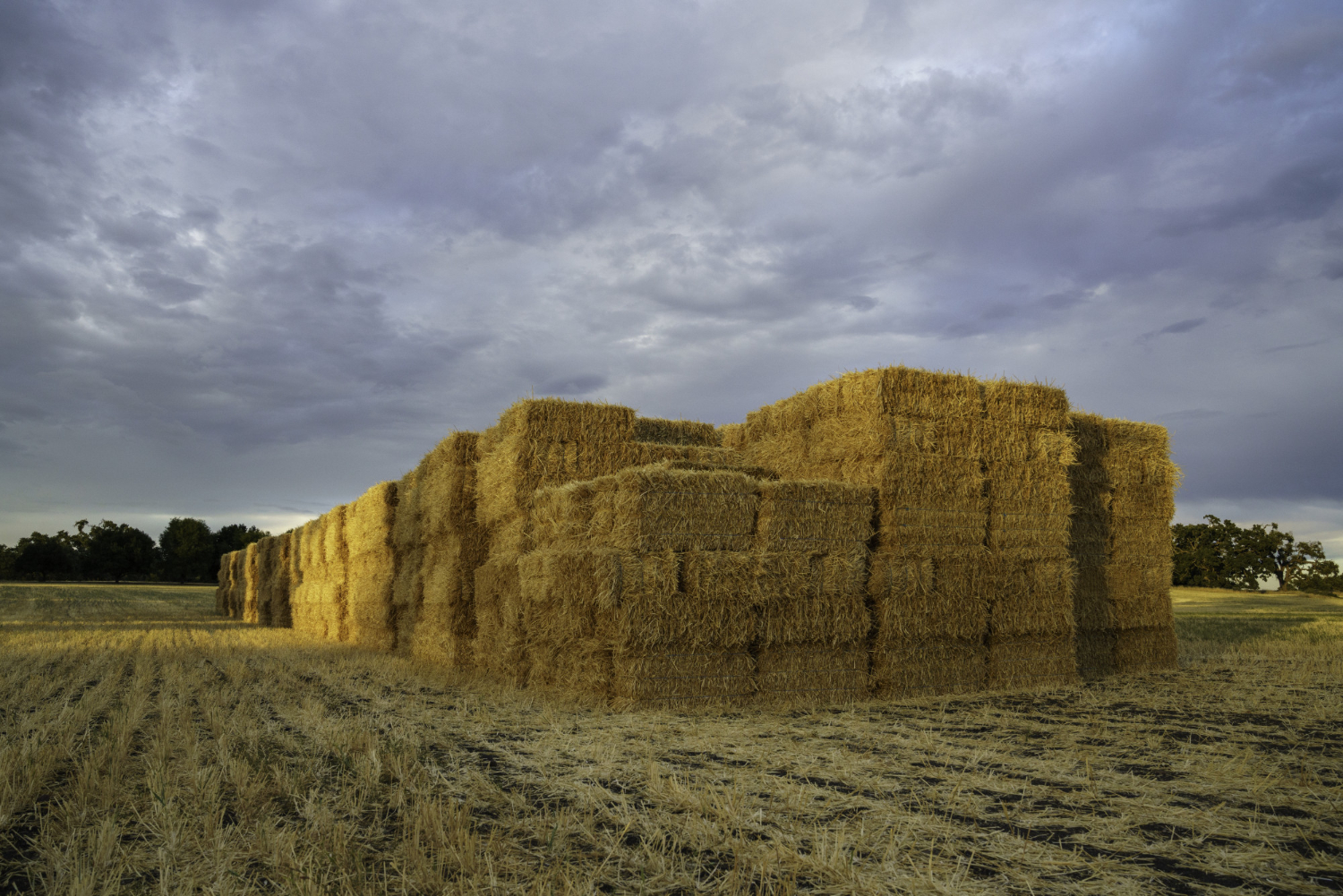
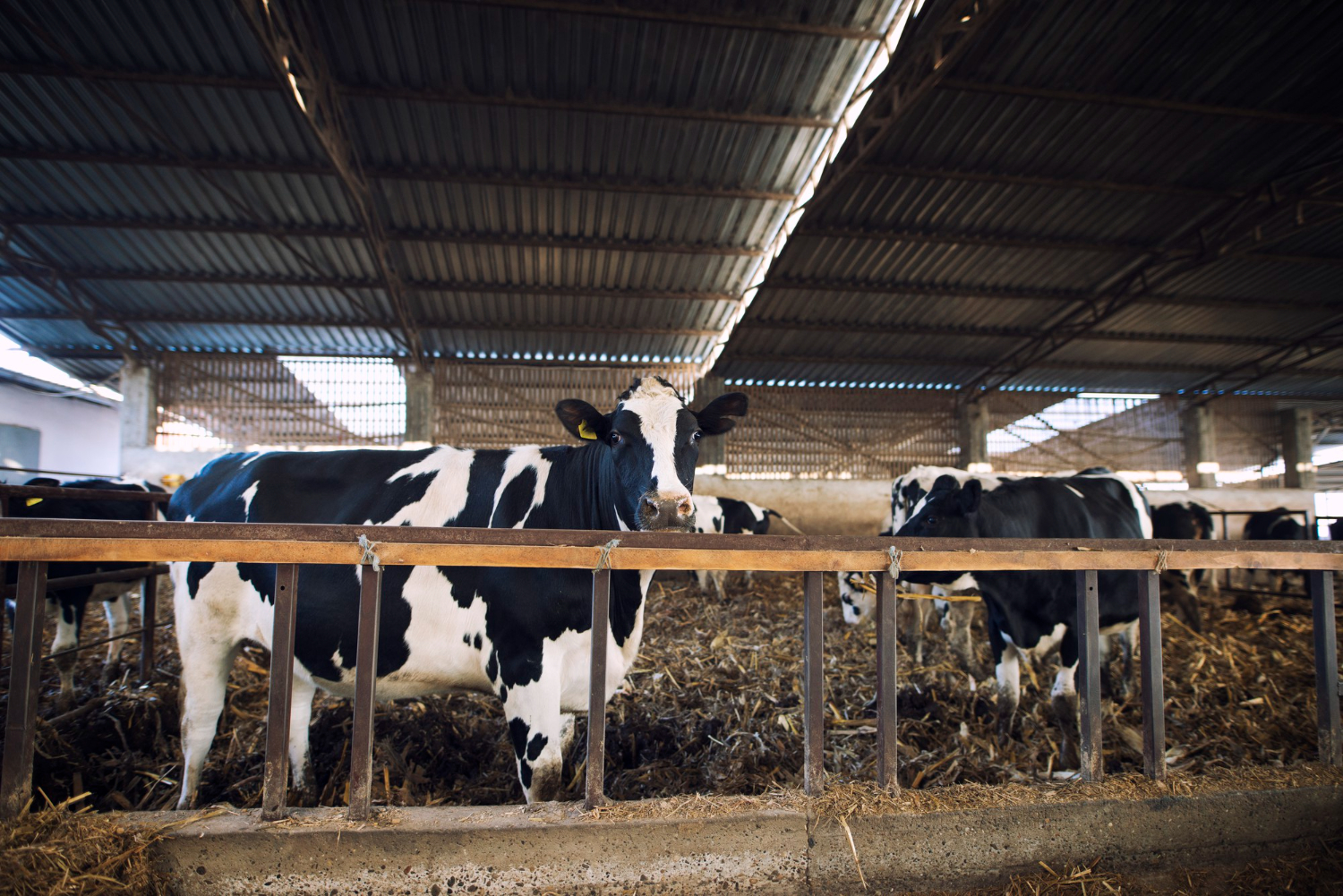
Farm Dynamics Pakistan (FDP), in collaboration with AIP-ILRI, implemented farmer-participatory dairy trials to evaluate Rhodes grass hay as an alternative fodder during extreme fodder shortage periods. The trials were conducted across Punjab and Sindh, comparing traditional feeding practices with Rhodes grass hay under different production systems.
24%
milk increase in Punjab
68%
milk increase in Sindh
66%
replacement of wheat straw in Punjab
37%
replacement of wheat straw in Sindh
2,400
liters/day additional milk from Punjab
1,500
liters/day additional milk from Sindh

Broader Impact

Improved food security in rural dairy clusters
Increased availability of marketable surplus milk
Reduced dependency on low-nutrition crop residues
Strengthened resilience of smallholder dairy systems during fodder scarcity

The Challenges

Severe Fodder Shortages
  • Limited availability of green fodder
  • Dependence on wheat straw and stovers
Low Milk Productivity
  • Poor nutritional quality of existing feed
  • Reduced milk yields during scarcity periods
Economic Risk for Smallholders
  • Increased feeding costs
  • Reduced marketable milk surplus

Goals and Objectives

Primary Goals
  • Assess the economic viability of Rhodes grass hay
  • Compare Rhodes grass hay with traditional straws and stovers
  • Evaluate milk production under different feeding regimes
  • Identify fodder solutions for extreme scarcity periods
  • Generate evidence for scalable livestock feeding strategies
Background & Context

Pakistan frequently experiences seasonal and extreme fodder shortages, particularly in arid and semi-arid regions. During these periods, smallholder dairy farmers rely heavily on low-nutrition crop residues such as wheat straw and stovers, leading to reduced milk productivity and income instability.

There was a need to identify a cost-effective, nutritionally superior, and locally adaptable fodder alternative that could sustain milk production during scarcity periods.

Our Approach: Farmer-Participatory Dairy Trials

A comprehensive farmer-participatory dairy trial was conducted in:

    • 19 smallholder dairy farmers participated
    • 40 milking cattle included
    • Two production systems compared:
      • Intensive
      • Semi-intensive
    • Locations represented:
      • Basti Jamu (Punjab)
      • Sikander Chachar (Sindh)

Milk production under Rhodes grass hay feeding was compared with farmer practice hay
feeding.

Milk Production Response

  • Punjab: 24% increase in milk production per animal per day
  • Sindh: 68% increase in milk production per animal per day

Feed Replacement

  • Wheat straw replaced by Rhodes grass hay:
    • 66% in Punjab
    • 37% in Sindh

Cluster-Level Impact

  • Additional milk collected daily:
    • 2,400 liters/day in Punjab
    • 1,500 liters/day in Sindh