7-J1, Main Canal Bank, Johar Town, Lahore.
  Info@farmdynamics.pk
7-J1, Main Canal Bank, Johar Town, Lahore. Info@farmdynamics.pk


 September 23, 2026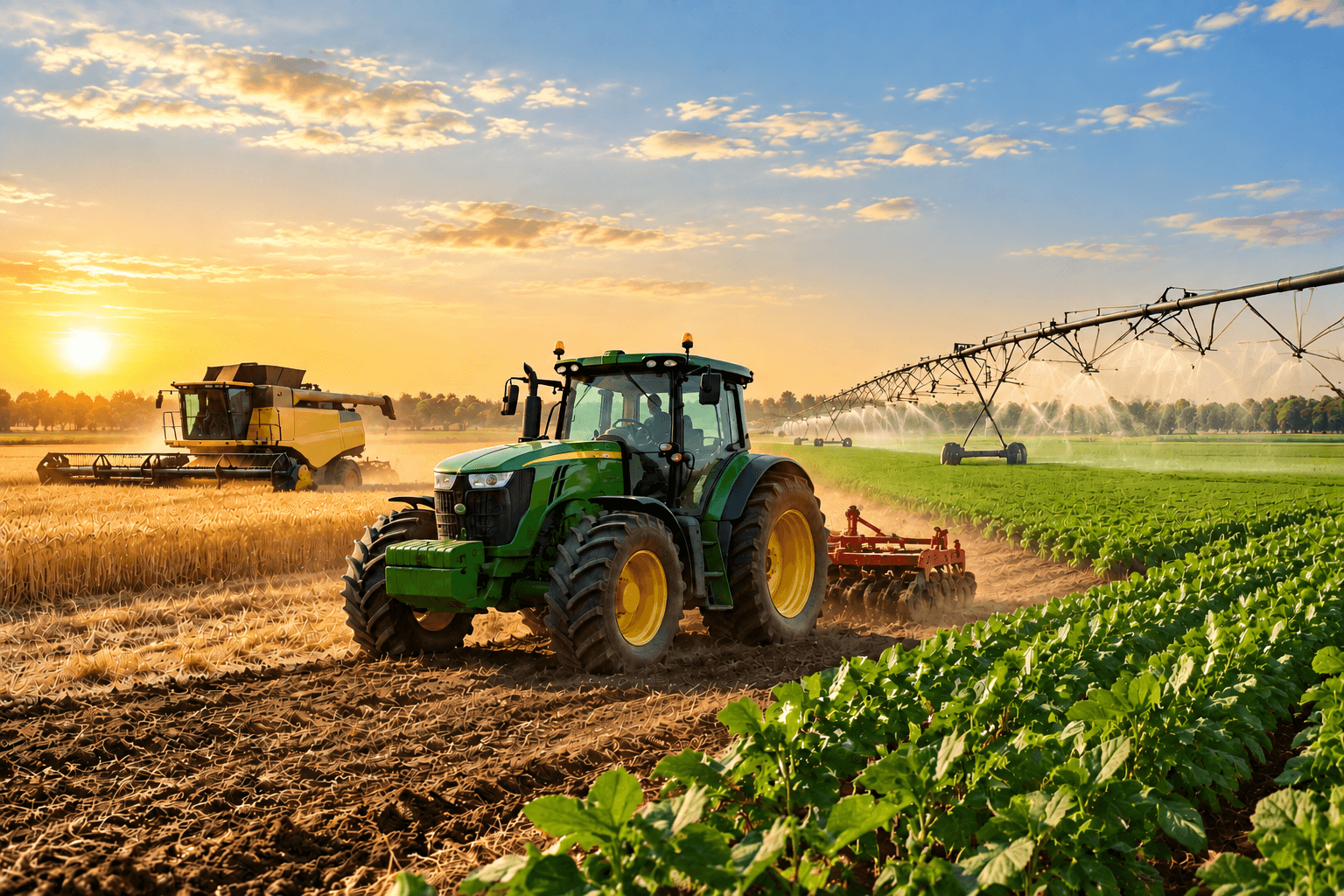
Agriculture has always depended on timely decisions. When to prepare land, when to sow, how much water to apply, and when to harvest can directly influence a farmer’s productivity and income. However, farming conditions are becoming more complex. Rising input costs, labor availability issues, changing weather patterns, and increasing pressure on natural resources are forcing farmers to rethink traditional approaches. For decades, agricultural machinery mainly focused on reducing physical labor. Tractors replaced animal power, combine harvesters improved harvesting efficiency, and specialized equipment helped farmers complete operations faster. Today, the conversation is moving toward a new stage: smart farming, where machinery is combined with digital technology, automation, and data-based decision-making.
Around the world, farmers are increasingly adopting GPS-guided equipment, precision irrigation systems, autonomous machinery, remote monitoring tools, and artificial intelligence-based solutions. For Pakistan, the question is not whether agriculture will become more technology-driven, but how quickly farmers, businesses, and policymakers can adapt these technologies to local farming conditions. As the country moves toward 2027, agricultural machinery and automation could become important tools for improving efficiency, reducing losses, and supporting sustainable agriculture farming practices.
The development of agriculture has always been closely connected with improvements in tools, equipment, and farming techniques. For centuries, farmers depended heavily on manual labor and animal power, which limited the size of farms they could manage and the speed at which they could complete important field operations. The introduction of tractors and mechanical equipment created a major shift by allowing farmers to prepare land, plant crops, and manage larger areas more efficiently. Over time, agricultural machinery continued to evolve. Modern equipment is no longer designed only to perform physical tasks; many machines are now developed to collect information, improve accuracy, and support better decision-making. A traditional tractor helps farmers complete land preparation faster, while a GPS-enabled tractor can improve field navigation, reduce unnecessary overlap, and optimize fuel usage. Similarly, conventional irrigation systems often operate on fixed schedules, whereas smart irrigation solutions can use soil moisture data and crop conditions to help farmers apply water more efficiently.
This transition from basic mechanization to intelligent mechanization forms the foundation of smart farming. Smart farming combines advanced agricultural machinery with digital monitoring, satellite positioning, sensors, field data analysis, and automation technologies to improve farming efficiency. However, smart farming does not aim to remove farmers from the decision-making process. Instead, it provides farmers with more accurate information and better tools to make informed decisions about crop management, resource usage, and farm operations.
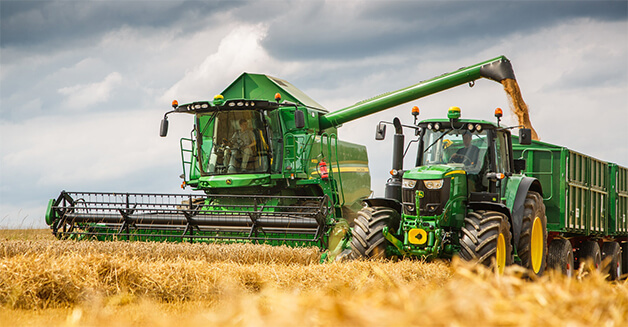
Pakistan has made steady progress in agricultural mechanization, but the adoption of modern machinery remains uneven across different farming communities. Large commercial farms and progressive farmers have increasingly invested in advanced equipment to improve efficiency, reduce labor dependency, and complete field operations on time. However, many small and medium-scale farmers still rely on traditional methods or rented machinery because purchasing advanced agricultural equipment requires significant investment. One of the major factors influencing machinery adoption in Pakistan is the structure of agricultural land ownership. A large number of farmers operate on relatively small and fragmented landholdings, making individual ownership of expensive machinery less practical. For these farmers, access-based models such as machinery rental services, custom hiring centers, and shared equipment ownership can provide a more affordable way to benefit from modern agricultural technology without carrying the full cost of ownership.
The future growth of agricultural machinery in Pakistan will depend not only on increasing the number of machines available but also on improving farmers’ access to suitable equipment, technical support, and knowledge about selecting the right machinery for their farming needs. Currently, Pakistani farmers use a wide range of agricultural equipment across different stages of production. Tractors remain the foundation of farm mechanization, supporting land preparation, transportation, and general field operations. Combine harvesters have become increasingly important for timely grain harvesting, while planters and seed drills help improve crop establishment through more accurate seed placement. Balers support residue and fodder management, whereas irrigation equipment and precision land-levelling systems help farmers improve water efficiency and field preparation.
The next stage of agricultural development will involve connecting these machines with digital technologies, allowing farmers to move from basic mechanization toward more precise, data-driven, and efficient farming practices.
The future of agriculture will not depend only on having more machinery available; it will depend on how effectively farmers can use technology to improve accuracy, reduce waste, and make better decisions. Around the world, agricultural machinery is becoming more connected with digital systems, allowing farmers to monitor field conditions, optimize resource usage, and improve productivity. For Pakistan, where farmers continue to face challenges related to water availability, rising input costs, labor shortages, and the need for higher crop productivity, smart agricultural technologies can provide practical solutions. However, the adoption of these technologies will depend on affordability, technical support, farmer awareness, and whether the solutions match local farming conditions. As agriculture moves toward 2027, several technologies are expected to play a larger role in shaping modern farming practices.
Precision agriculture is changing the way farmers manage fields by moving away from treating every part of a farm in the same way. Traditional farming methods often apply the same amount of seed, fertilizer, water, or crop protection products across an entire field, even though soil conditions and crop requirements may vary from one area to another. GPS-based agricultural machinery helps farmers perform field operations with greater accuracy. Tractors equipped with GPS guidance systems can maintain accurate working paths, reduce unnecessary overlap during operations, and improve fuel efficiency. Similarly, precision spraying and planting equipment can help farmers apply inputs more efficiently by targeting specific areas instead of using a uniform approach.
GPS and laser-controlled land levelling are particularly relevant for Pakistan because water management remains one of the biggest challenges in agriculture. Uneven fields can lead to poor water distribution, while properly levelled fields allow more uniform irrigation and better crop establishment. As farmers look for ways to improve water efficiency, precision land management can become an important part of modern agriculture farming.
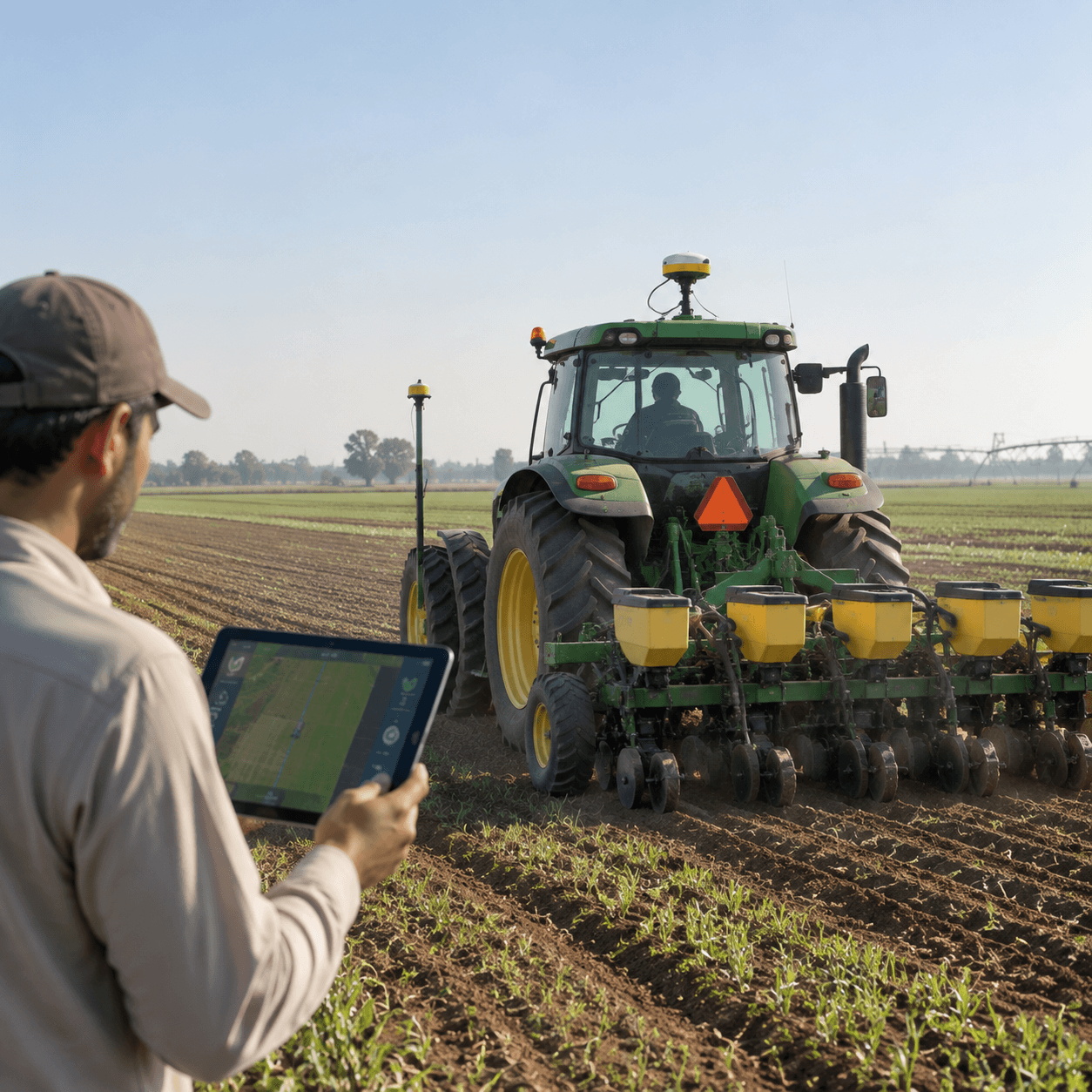
Water availability is one of the most important factors affecting Pakistan’s agricultural productivity. Many farmers still rely on traditional irrigation practices where water is applied according to fixed schedules rather than actual crop requirements. This can result in over-irrigation in some areas and insufficient water supply in others. Smart irrigation systems aim to make water management more accurate by combining technology with field information. Soil moisture monitoring systems, weather-based data, crop condition analysis, and automated irrigation controls can help farmers understand when crops actually need water. Technologies such as drip irrigation and precision irrigation systems can support more efficient water use by delivering water closer to plant requirements. For farmers dealing with increasing water pressure, these solutions can help improve resource management while supporting better crop growth.
In the future, smart irrigation will likely become more important as farmers focus on producing higher yields with limited water resources.
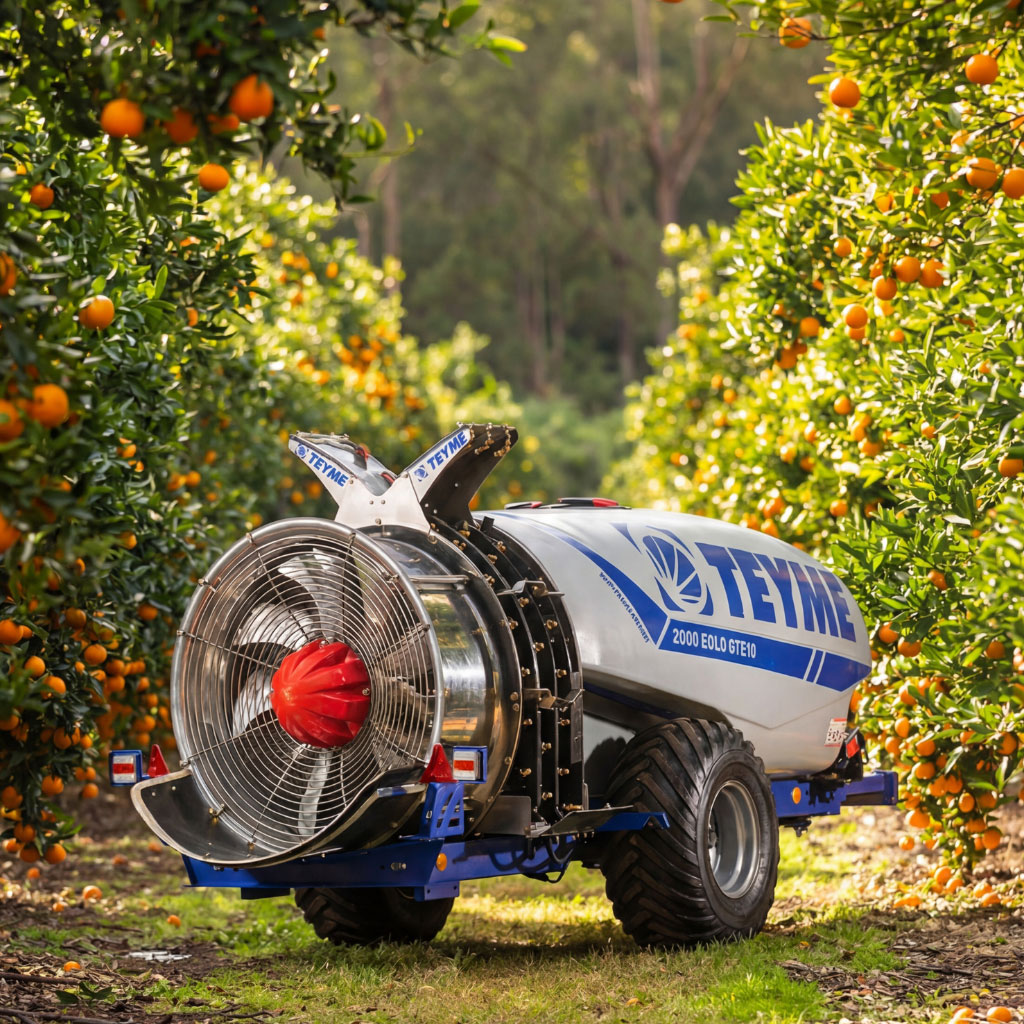
The success of a crop begins with accurate planting. Seed placement, planting depth, spacing, and timing all influence crop performance. Traditional planting methods may create variation across a field, which can affect plant growth and final yield. Modern planters and seed drills are designed to improve planting accuracy by maintaining consistent seed placement and spacing. This allows farmers to establish more uniform crops and reduce seed wastage. Precision planting technology can be especially valuable for commercial farms and farmers managing larger areas where small improvements in accuracy can create significant differences across the entire field. As agricultural machinery continues to develop, smarter planting equipment can help farmers improve efficiency while making better use of seeds and other inputs.
Harvesting is one of the most important stages of crop production because losses during this stage directly affect farmer income. Delayed harvesting, incorrect machine settings, and inefficient operations can result in grain losses, reduced quality, and additional costs. Modern combine harvesters and specialized harvesting equipment have already improved harvesting efficiency compared with traditional manual methods. However, the next generation of harvesting machinery is moving toward greater automation, improved monitoring, and data-based performance management. Smart harvesting systems can help operators understand machine performance, adjust settings according to crop conditions, and reduce unnecessary losses. However, technology alone cannot guarantee better results. Proper machine selection, regular maintenance, skilled operators, and timely harvesting decisions remain essential for achieving maximum benefits. For Pakistan, where harvesting losses remain a concern in several major crops, improving access to efficient harvesting machinery can play an important role in strengthening overall agricultural productivity.
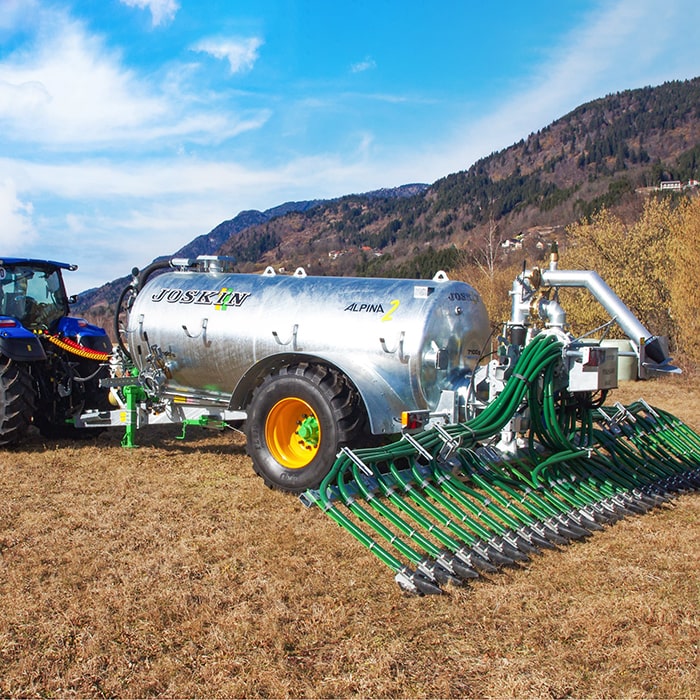
The cost of adopting smart farming technology is one of the most important factors that will determine how quickly automation expands in Pakistan. Advanced agricultural machinery, GPS-based systems, sensors, and automated equipment can provide significant benefits, but the initial investment can be a major consideration for many farmers. However, the value of automation should not be judged only by its purchase price. Farmers need to evaluate whether a technology can reduce long-term operational costs, improve efficiency, save resources, or increase productivity. A machine that appears expensive initially may provide economic benefits over time if it helps reduce fuel consumption, minimize input wastage, improve field operations, or prevent crop losses.
For example, a farmer managing large areas may find that modern planting or harvesting equipment reduces labor dependency and allows operations to be completed within the ideal farming window. Similarly, a farmer facing water management challenges may achieve better returns by investing in efficient irrigation technology rather than increasing water usage through traditional methods. For smaller farmers, direct ownership of advanced machinery may not always be the most practical option. Alternative models such as machinery rental services, custom hiring centers, and shared equipment access can allow farmers to benefit from modern technology without making a large upfront investment. The most effective approach to smart farming is not adopting every new technology available. Instead, farmers should identify their biggest challenges and select solutions that provide measurable improvements. The right technology is the one that matches the farm’s size, crop requirements, available resources, and long-term goals.
As Pakistan moves toward more technology-driven agriculture, affordability and accessibility will be just as important as innovation itself. Smart farming will only achieve wider adoption when farmers can access solutions that are practical, reliable, and financially sustainable.
Smart farming has the potential to improve agricultural efficiency, reduce resource wastage, and help farmers make better decisions. However, the adoption of advanced agricultural machinery and automation in Pakistan will depend on addressing several practical challenges. Technology alone cannot transform farming unless farmers have access to suitable equipment, knowledge, support systems, and affordable ways to implement these solutions. Some of the key challenges that Pakistan needs to address before wider smart farming adoption include:
The cost of advanced agricultural machinery, precision equipment, sensors, and automated systems remains one of the biggest barriers for many farmers. Small and medium-scale farmers may find it difficult to invest in expensive technology, especially when farm sizes are limited and income depends heavily on seasonal crop performance. To improve accessibility, solutions such as machinery rental services, custom hiring centers, shared equipment models, and agricultural financing programs can help farmers benefit from modern technology without requiring complete ownership of expensive equipment.
Modern agricultural machinery requires more than just physical operation. GPS-guided equipment, automated systems, and precision technologies require proper calibration, maintenance, and understanding of how to interpret the information they provide. Without adequate training, farmers may not receive the full benefits of advanced equipment. Building technical knowledge among farmers, operators, and agricultural workers will be essential for successful adoption.
Smart farming equipment depends heavily on reliable technical support. Unlike traditional machinery, technology-based equipment may require specialized maintenance, software updates, calibration, and trained technicians. A strong support network, availability of spare parts, and timely repair services will play an important role in building farmer confidence and ensuring long-term use of advanced agricultural machinery.
Not every farm requires the same technology. A solution that works well for a large commercial farm may not provide the same value for a smaller farm with different crops, soil conditions, and operational challenges. Farmers need proper guidance to understand which technologies can solve their specific problems. The focus should be on selecting practical solutions that improve productivity, reduce costs, and provide measurable benefits rather than adopting technology simply because it is new.
The future of smart agriculture in Pakistan will depend not only on bringing advanced technology into the country but also on adapting these solutions to local farming realities. Farm sizes, crop patterns, climate conditions, and available resources vary significantly across regions. Successful smart farming adoption will require technology providers, agricultural experts, and farmers to work together in developing solutions that are affordable, practical, and suitable for Pakistan’s agricultural environment.
The future of agriculture farming depends on more than individual machines. It requires a combination of reliable agricultural machinery, efficient resource management, modern technology, and practical knowledge that helps farmers make better decisions. Farm Dynamics Pakistan supports farmers by providing solutions that contribute to more efficient and productive farming practices. From agricultural machinery and harvesting equipment to irrigation technologies and crop management solutions, FDP helps farmers identify suitable options based on their operational requirements, crop needs, and farming conditions. Modern agriculture is built around creating an efficient farming system where machinery, technology, and good management practices work together. As Pakistan moves toward 2027, improving access to suitable agricultural solutions will become increasingly important for farmers aiming to improve productivity, reduce operational challenges, and manage resources more effectively.
Farmers looking to improve their farming operations with modern machinery, irrigation solutions, and crop management technologies can contact Farm Dynamics Pakistan for guidance and support in selecting the right solutions for their agricultural needs.
The future of smart farming in Pakistan will depend on how effectively farmers can combine modern technology with practical farming knowledge. Agricultural machinery, precision tools, and automation can help farmers improve efficiency, reduce resource wastage, and make better decisions across different stages of crop production. The transition toward smart farming will happen gradually. While some farms may adopt advanced technologies quickly, others may first focus on improving basic mechanization, irrigation, and farm management practices. The key will be adopting solutions that match the farmer’s actual needs, crop requirements, and available resources. By 2027, the most successful farms may not be those using the most advanced technology, but those using the right combination of machinery, data, and experience to create more productive and sustainable agriculture systems.
Farm Dynamics Pakistan provides complete agricultural solutions including advanced agricultural machinery, intelligent irrigation systems, high-quality seeds, crop management solutions, and modern farming technologies. FDP focuses on helping farmers improve productivity by selecting solutions based on their crops, farm conditions, and operational needs.
Farm Dynamics Pakistan supports smart farming by introducing technologies that help farmers improve efficiency, manage resources better, and make informed farming decisions. These solutions include precision irrigation systems, crop monitoring technologies, modern machinery, and integrated crop management approaches.
Not always. While advanced machinery can improve efficiency, farmers can also access modern solutions through rental services, custom hiring, and service-based models. The right approach depends on farm size, crop requirements, and the specific challenges a farmer wants to solve.
Modern farms commonly use machinery such as tractors, combine harvesters, planters, balers, land levelling equipment, and specialized crop management tools. The right machinery depends on the farming operation, crop type, and field requirements.
Farm Dynamics Pakistan helps farmers evaluate their farming needs, including crop type, field conditions, farm size, and operational challenges, before selecting suitable machinery and technology solutions. This approach helps farmers invest in equipment that provides practical value.
Yes. Small and medium farmers can benefit from smart farming through affordable solutions such as efficient irrigation systems, improved seeds, machinery rental services, and targeted technologies that address specific farming challenges.
Efficient irrigation helps farmers manage water resources, reduce unnecessary water use, and provide crops with the right amount of water at the right time. Technologies such as drip irrigation and monitoring systems can support better water management and improve crop performance.
Integrated Crop Management (ICM) is an approach that combines soil management, irrigation, nutrients, pest management, and crop practices to improve productivity while using resources efficiently. Farm Dynamics Pakistan promotes ICM solutions to help farmers achieve better and more sustainable results.
Farmers can contact Farm Dynamics Pakistan’s team for guidance on agricultural machinery, irrigation systems, seeds, crop management solutions, and other farming technologies based on their specific requirements.