7-J1, Main Canal Bank, Johar Town, Lahore.
  Info@farmdynamics.pk
7-J1, Main Canal Bank, Johar Town, Lahore. Info@farmdynamics.pk


 July 13, 2026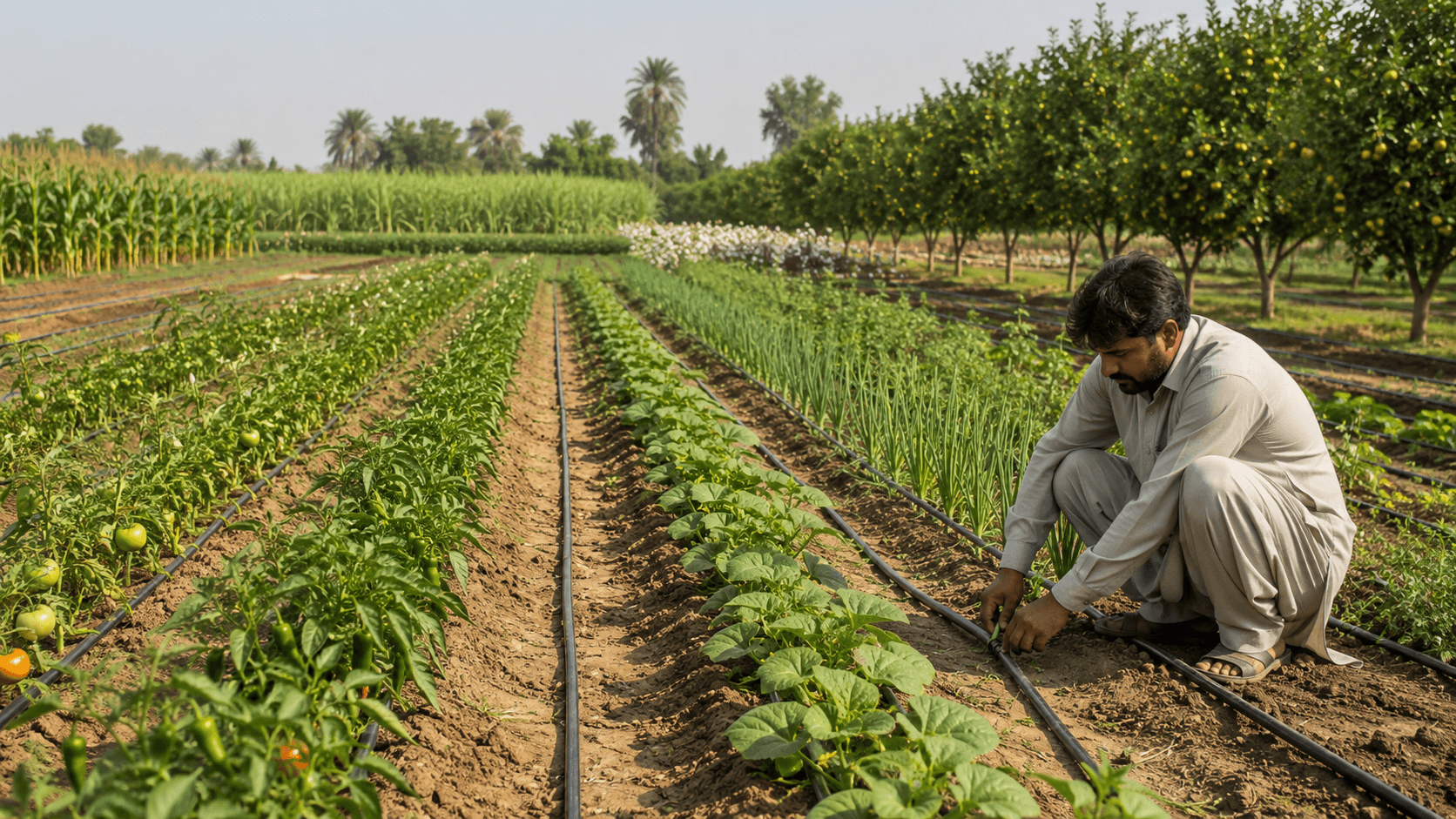
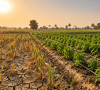
If you talk to almost any farmer in Pakistan right now, water is one of the first things that comes up. It’s expensive, it’s unpredictable, and there’s rarely enough of it when a crop actually needs it. Add rising fertilizer and diesel prices on top of that, and it’s no surprise so many fields end up with patchy, uneven growth season after season. When part of a field gets watered well and another part doesn’t, yield drops, and so does income.
This is exactly the problem drip irrigation was built to solve. Instead of flooding the whole field or waiting on canal timing that never seems to line up, drip irrigation sends water straight to the roots, a little at a time. Less water gets wasted, and crops tend to grow more evenly and stay healthier, but that only works if you’re growing the right crops for it. Not every crop reacts the same way to this method, so picking wisely matters more than people think. Before deciding what to plant, it’s worth understanding how this method actually fits into your overall farm plan.
Many farmers in Pakistan face problems like water shortages and hot weather. Drip irrigation helps conserve water by delivering water directly to plant roots, improving crop growth while reducing water waste.
These benefits may seem small on their own, but together they can make a significant difference in crop performance, water savings, and overall farm productivity throughout the growing season.
Before you decide what to grow under drip, it helps to understand what actually makes a crop a good fit. A few things matter here:
Keep these in mind, and you’ll avoid putting in a system that doesn’t really match what you’re growing.
Many crops in Pakistan respond well to drip irrigation, especially those that need regular moisture for healthy growth.
Vegetables are some of the best crops for irrigation, mainly because they need consistent moisture to grow properly. Tomato, chili, onion, cucumber, potato, and capsicum all do well under drip. It helps them grow more evenly, cuts down on the cracking and stunted growth that comes from water stress, and often leads to better quality produce, which directly affects what you can sell it for.
Fruit trees grow better when they get a steady supply of water instead of heavy watering followed by long dry periods. Drip irrigation delivers water directly to the roots, where trees need it most. It works well for mango, citrus, guava, pomegranate, and date palms. Keeping the soil evenly moist during flowering and fruit growth helps improve fruit size and quality.
Sugarcane needs a lot of water throughout the growing season. An efficient irrigation system helps farmers use water more effectively by delivering it directly to the roots. It reduces water waste, keeps the soil moist, and makes it easier to manage large fields. A well-installed and properly maintained system gives the best results.
Cotton grows well when it receives the right amount of water at the right time. An efficient irrigation system provides a steady water supply, helping plants stay healthy. It is especially useful during flowering and boll development, when water shortages can reduce crop yield.
Maize needs enough water during its early growth and when the grains are developing. It irrigation provides consistent moisture during these important stages. This helps the crop grow evenly and can improve the final harvest.
Drip irrigation is also a good choice for fodder crops, especially for farmers who keep livestock. Crops like Rhodes grass, rye grass, and alfalfa grow better with regular watering. Good moisture management helps produce more fodder and improves its quality for animal feed.
| Crop Type | Why Drip Helps |
| Vegetables | Regular moisture, better quality, less water waste |
| Orchards | Root-zone watering, better tree health, less stress |
| Sugarcane | Better water control for a high-water crop |
| Cotton | Supports growth in water-limited areas |
| Maize | Helps during key growth stages |
| Fodder crops | Supports better green biomass |
Drip irrigation only pays off if it’s set up and run properly. Watch out for these:
Avoid these, and you’ll get a lot more out of the system.
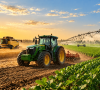
Drip irrigation handles water, but it isn’t the whole picture; good field prep and timely harvesting still matter just as much. A John Deere tractor can take care of land preparation and general field work before planting, and a harvester machine accelerates the harvest when the crop is ready. So irrigation and machinery go hand in hand. One does the watering. The other does the timing and the labor.
No two farms are exactly alike, and the right drip setup depends on more than just what crop you’re growing. Farm Dynamics Pakistan works with farmers to figure out the right system based on:
Looking at the full picture like this helps farmers avoid ending up with a system that doesn’t fit their fields or their budget.
The most suitable crops for drip irrigation in Pakistan are vegetables, orchards, sugarcane, cotton, maize, and some fodder crops. When set up properly, each can deliver significant improvements in crop quality, yield, and water efficiency. They all respond well to controlled watering in the root zone. If you want better water control and a plan that actually fits your fields, Farm Dynamics Pakistan can help you figure out the right irrigation setup for your farm.
Vegetables, orchards, sugarcane, cotton, maize, and some fodder crops all work well under drip irrigation in Pakistan.
Yes, it gives vegetables steady root-zone moisture and cuts down on water waste, which usually means healthier, more even growth.
Yes, orchard crops like mango, citrus, guava, and pomegranate all respond well to drip irrigation.
Yes. It’s especially useful where saving water and managing large fields efficiently are priorities.