7-J1, Main Canal Bank, Johar Town, Lahore.
  Info@farmdynamics.pk
7-J1, Main Canal Bank, Johar Town, Lahore. Info@farmdynamics.pk


 September 29, 2026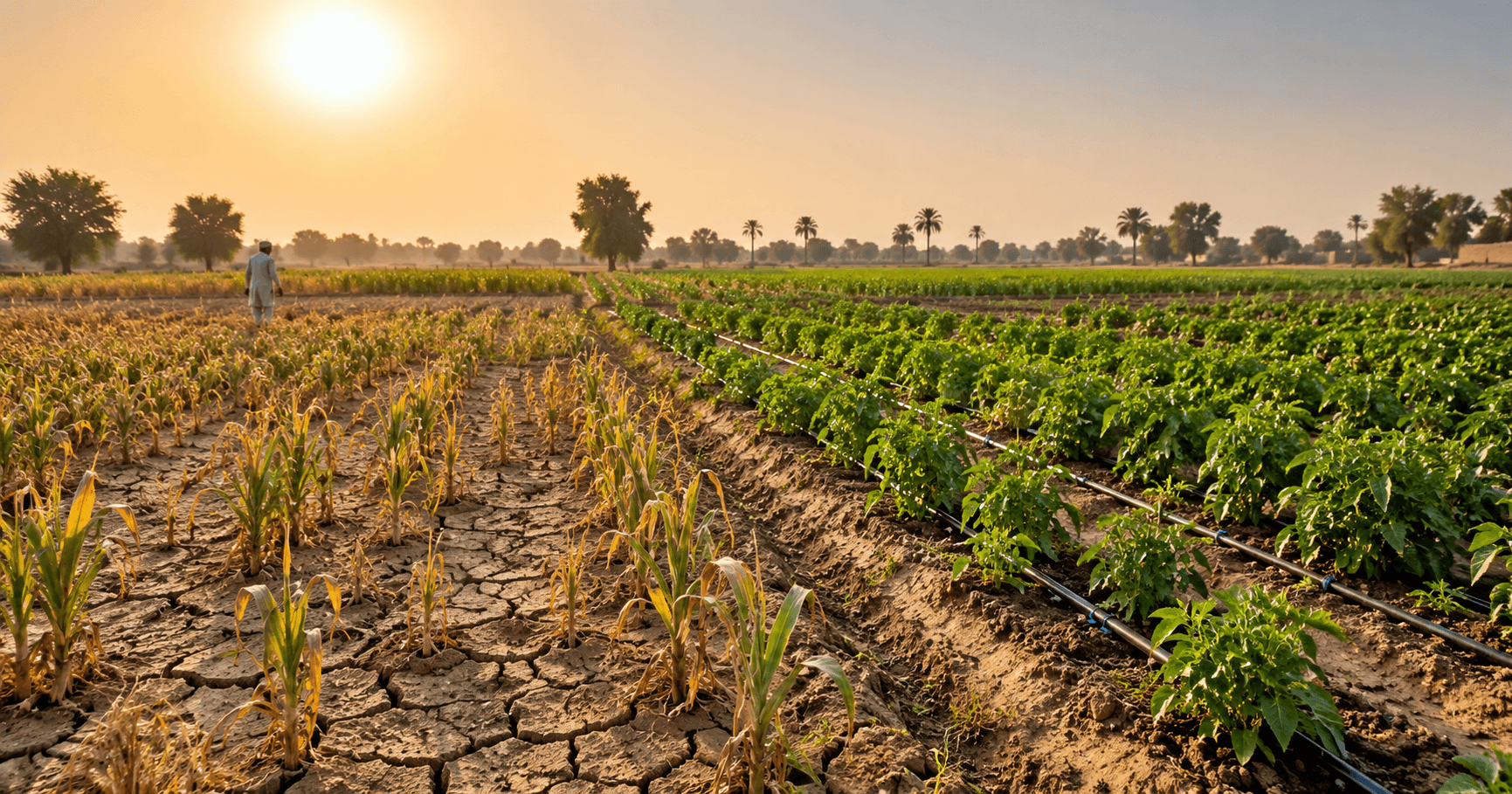
Agriculture farming in Pakistan has always depended heavily on weather conditions, seasonal rainfall, water availability, and suitable temperatures. However, climate change is creating new challenges for farmers by affecting crop cycles, water resources, livestock management, and overall farm productivity. Changes in temperature patterns, irregular rainfall, longer periods of drought, unexpected floods, and extreme weather events are making traditional farming decisions more difficult. Farmers who previously relied on historical weather patterns now need to adapt their practices according to changing environmental conditions. Pakistan’s agricultural sector supports millions of farmers and plays an important role in food production and rural economies. However, maintaining productivity under changing climate conditions requires better planning, efficient resource management, and the adoption of modern agricultural solutions.
Climate change does not mean farming will become impossible, but it does mean farmers need better knowledge, improved technology, and practical strategies to protect their crops and livestock.
Climate change affects almost every stage of agriculture farming, from crop selection and planting decisions to irrigation requirements and harvesting. Farmers are experiencing challenges that directly influence production costs, crop quality, and farm profitability.
Increasing temperatures are one of the major concerns for agriculture farming in Pakistan. Many crops have specific temperature requirements for healthy growth, flowering, and grain development. When temperatures rise beyond suitable levels, crops may experience heat stress, reduced growth, and lower productivity. High temperatures also increase water requirements because crops lose more moisture through evaporation and plant transpiration. This creates additional pressure on irrigation resources, especially in areas where water availability is already limited. Farmers may need to adjust sowing dates, select suitable crop varieties, and improve field management practices to reduce the impact of heat stress.
Rainfall patterns are becoming less predictable, creating difficulties for farmers who depend on seasonal rainfall for crop production. Some regions may experience extended dry periods, while others may face heavy rainfall events that damage crops and soil. Water management has become one of the most important factors in successful agriculture farming. Traditional irrigation methods may not always provide efficient water usage, especially when farmers face limited water availability. An efficient irrigation system can help farmers manage water more effectively by delivering the required amount of water at the right time. Technologies such as drip irrigation can reduce unnecessary water loss and improve water availability for crops.
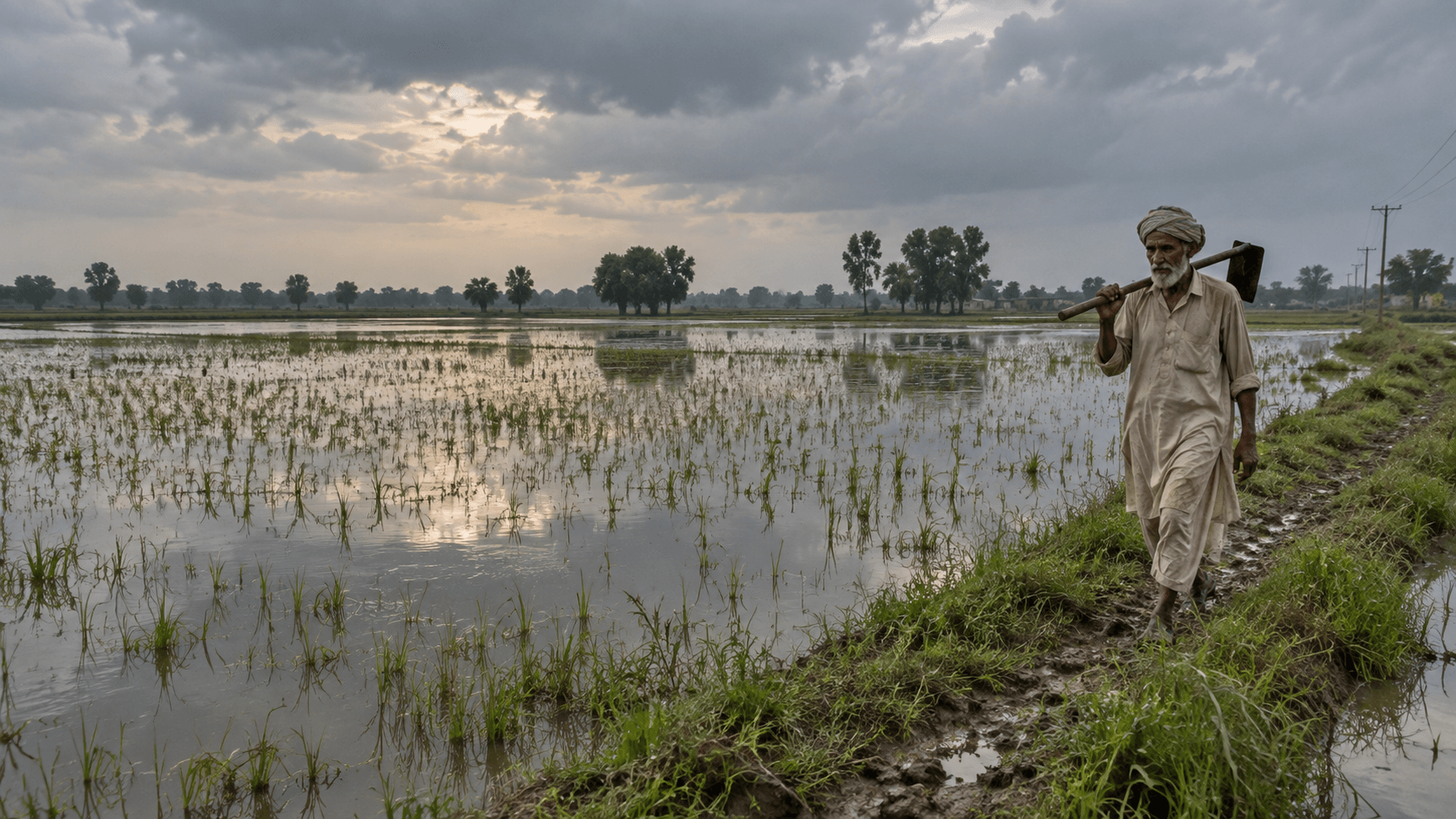
Floods, storms, droughts, and extreme temperatures can create serious challenges for farmers. Heavy rainfall can damage standing crops, reduce soil quality, and delay important farming operations. On the other hand, drought conditions can reduce water availability and affect crop growth. Farmers may face increased production costs as they spend more resources trying to protect crops from environmental stress. Building climate resilience requires farmers to focus on better preparation, improved crop management, and technologies that reduce dependency on unpredictable conditions.
Climate change has made timely farming operations more important than ever. Unpredictable rainfall, shorter weather windows, and changing crop conditions mean that delays in land preparation, planting, spraying, or harvesting can directly affect crop performance and farmer income. Modern agricultural machinery helps farmers complete these important operations efficiently, allowing them to respond better to changing weather conditions. Traditional farming methods often require more time and labor to complete field activities, which can become challenging when weather conditions change suddenly. Modern equipment such as tractors, planters, harvesters, and specialized farm machinery helps farmers improve operational speed, reduce labor dependency, and manage farming activities more effectively.
The increasing adoption of agriculture machinery in Pakistan is becoming important as farmers look for practical ways to improve productivity and reduce operational challenges. For example, timely harvesting through modern harvesting equipment can help reduce crop losses caused by unexpected rainfall, while efficient planting machinery can help farmers maintain better crop establishment during suitable growing periods. However, selecting the right machinery is just as important as adopting new technology. Farmers need to consider factors such as farm size, crop type, field conditions, and operational requirements before investing in equipment. The goal of modern agricultural machinery is not to replace farmers’ experience but to provide better tools that support improved decision-making and more efficient farming practices.
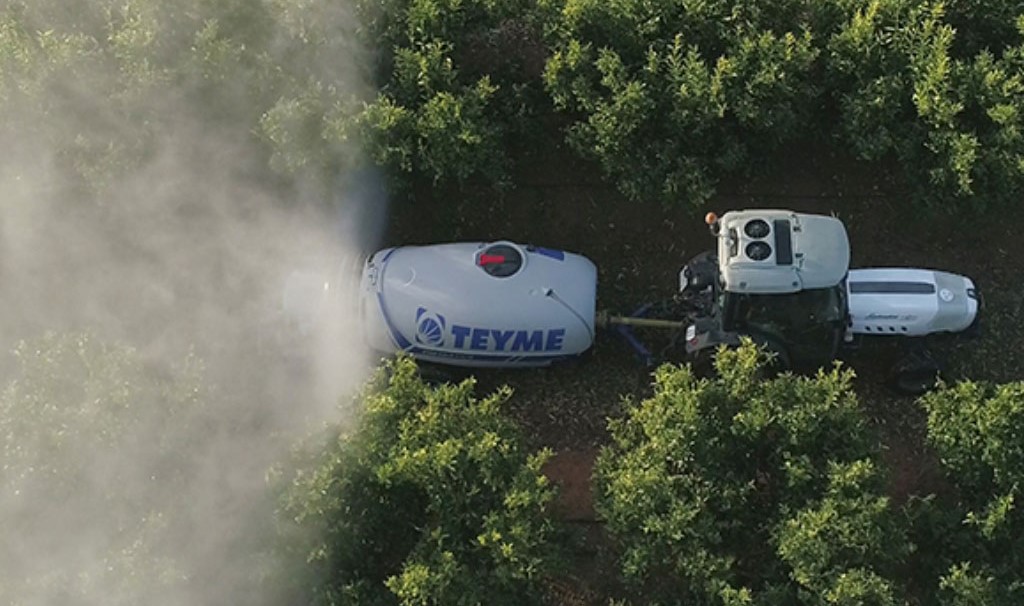
Water management has become one of the biggest priorities for agriculture farming in Pakistan. Changing rainfall patterns, rising temperatures, and increasing pressure on water resources are making efficient irrigation more important than ever. Farmers need solutions that help them maintain crop productivity while using available water resources more effectively. Traditional irrigation methods often apply water according to fixed schedules rather than actual crop requirements. Modern irrigation approaches help farmers deliver water more accurately based on crop needs, soil conditions, and field requirements. An efficient irrigation system can reduce water wastage, improve crop growth, and support better resource management.
Technologies such as drip irrigation, sprinkler systems, and rainwater management practices can help farmers improve water efficiency. Along with irrigation technology, proper soil management, field preparation, and crop planning also play an important role in conserving moisture and reducing water stress. As climate challenges continue to increase, the future of agriculture farming in Pakistan will depend on smarter water management practices. Farmers who adopt efficient irrigation solutions can improve resource utilization and build more resilient farming systems.
Climate change is not only affecting crop production but also creating new challenges for livestock farming in Pakistan. Rising temperatures, changing rainfall patterns, and fluctuations in feed availability are affecting animal health, productivity, and overall farm management. Farmers involved in livestock operations need better planning and management practices to reduce the impact of changing environmental conditions. In cattle farming in Pakistan, heat stress has become a growing concern, especially during periods of extreme temperature. Prolonged heat exposure can reduce feed intake, increase water requirements, affect animal growth, and lower milk production. Farmers can reduce these risks by focusing on proper shelter, ventilation, clean drinking water, and balanced nutrition to maintain animal health and productivity.
Fodder availability is another major challenge linked with climate change. Changes in rainfall and temperature can affect the growth and quality of animal feed, making consistent fodder planning more important for livestock farmers. Farmers involved in dairy farming in Pakistan can improve feed security through better fodder management, including the cultivation of suitable fodder crops and improved storage methods. Practices such as silage production can help maintain a reliable feed supply during periods when fresh fodder availability is limited. Growing suitable fodder crops such as Rhodes grass and rye grass, along with proper irrigation and crop management, can support better livestock nutrition. Building climate resilience in livestock farming requires a combination of improved animal care, reliable feed resources, and better farm planning. By adopting practical livestock management strategies and suitable agricultural solutions, farmers can reduce climate-related risks and maintain more productive dairy and cattle farming operations.
Building climate resilience in agriculture farming requires long-term planning and better management of available resources. Farmers cannot control changing weather conditions, but they can adopt practices that reduce risks, improve efficiency, and support sustainable production. Maintaining soil health is one of the most important steps farmers can take. Healthy soil improves water retention, supports stronger root development, and helps crops perform better during periods of environmental stress. Practices such as balanced fertilizer application, crop rotation, residue management, and proper nutrient planning can help maintain soil productivity over time. Efficient water management is another key part of sustainable farming. With increasing pressure on water resources, farmers need to focus on using water more effectively rather than increasing water usage. Modern irrigation methods, including drip irrigation and improved irrigation systems, can help farmers deliver water according to crop requirements while reducing unnecessary losses.
Farmers can also improve climate resilience by selecting crops and varieties that are suitable for local conditions. Understanding soil characteristics, seasonal changes, and crop requirements allows farmers to make better decisions about planting, inputs, and field management. Access to reliable agricultural information and technical guidance can help farmers move from reactive farming toward more planned and efficient practices. Modern technology also plays an important role in sustainable agriculture. Agricultural machinery, precision farming tools, and improved crop management solutions can help farmers complete operations more efficiently while reducing resource wastage. However, successful climate adaptation does not depend on a single technology. It requires combining better farming practices, suitable equipment, efficient resource management, and practical agricultural knowledge.
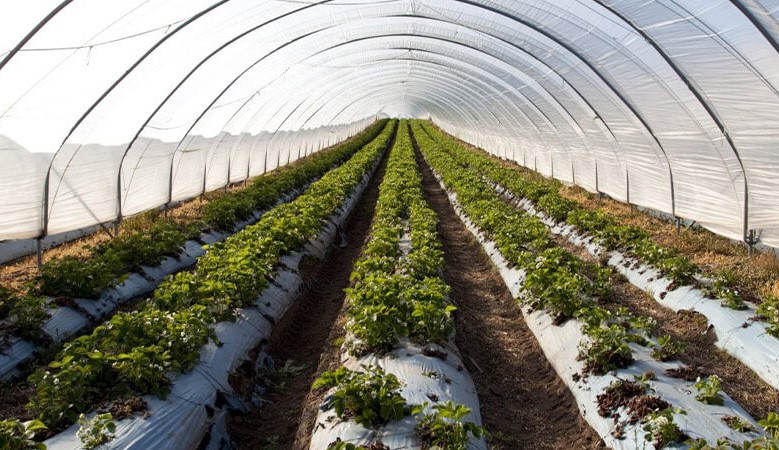
Farm Dynamics Pakistan supports farmers by providing integrated agricultural solutions designed to improve productivity, efficiency, and resource management. With agricultural experience and knowledge of local farming challenges, FDP focuses on helping farmers adopt practical solutions that match their crop requirements, farm conditions, and operational needs. FDP provides solutions across multiple areas of agriculture, including agricultural machinery, irrigation technologies, Integrated Crop Management (ICM), quality agricultural inputs, and modern farming solutions. These solutions help farmers improve different stages of the farming cycle, from field preparation and crop establishment to resource management and harvesting. Through modern mechanization, farmers can complete important operations more efficiently and reduce challenges caused by labor shortages and changing weather conditions. Efficient irrigation solutions help farmers manage water resources more effectively, while ICM practices support better decision-making by combining soil management, crop nutrition, pest management, and sustainable farming techniques.
Farm Dynamics Pakistan also focuses on improving farmers’ access to suitable agricultural technologies. The right solution depends on several factors, including farm size, crop type, available resources, and production goals. Instead of adopting technology without proper planning, farmers can benefit more by selecting solutions that address their specific challenges. Modern agriculture farming requires a complete approach where machinery, irrigation, crop management, quality inputs, and farming expertise work together. Farm Dynamics Pakistan contributes to this approach by supporting farmers with practical agricultural solutions that help improve efficiency, manage resources responsibly, and prepare for future farming challenges.
Farmers looking for guidance on agricultural machinery, irrigation systems, crop management solutions, or other farming technologies can contact Farm Dynamics Pakistan to find solutions according to their specific requirements.
An efficient irrigation system helps farmers manage water resources more effectively by delivering the required amount of water according to crop needs. Solutions such as drip irrigation and sprinkler systems can help reduce water wastage and improve crop performance, especially in areas facing water challenges.
Modern agricultural machinery helps farmers complete important operations such as land preparation, planting, and harvesting within the right time period. This becomes especially important when changing weather conditions create shorter windows for farming activities.
Integrated Crop Management (ICM) helps farmers manage soil, water, nutrients, and pests together instead of treating each factor separately. This approach supports better decision-making, improves resource efficiency, and helps farmers maintain more sustainable farming practices.
Farm Dynamics Pakistan provides integrated agricultural solutions including agricultural machinery, irrigation systems, ICM technologies, and quality agricultural inputs. FDP helps farmers select suitable solutions according to their crop requirements, farm conditions, and operational needs.
Yes, technology can support small farmers by improving access to efficient farming methods. Farmers can benefit from suitable machinery, better irrigation practices, improved crop management, and expert guidance without necessarily adopting the most advanced solutions immediately.
Water availability is becoming a major challenge due to changing rainfall patterns and increasing crop water requirements. Better irrigation practices, efficient water use, and modern irrigation technologies can help farmers produce crops while managing limited water resources.
Farm Dynamics Pakistan supports farmers through modern agricultural solutions including mechanization, irrigation technologies, crop management systems, and agricultural inputs. With experience in agriculture and farmer support initiatives, FDP helps farmers adopt practical solutions for improving productivity and efficiency.