7-J1, Main Canal Bank, Johar Town, Lahore.
  Info@farmdynamics.pk
7-J1, Main Canal Bank, Johar Town, Lahore. Info@farmdynamics.pk


 August 19, 2026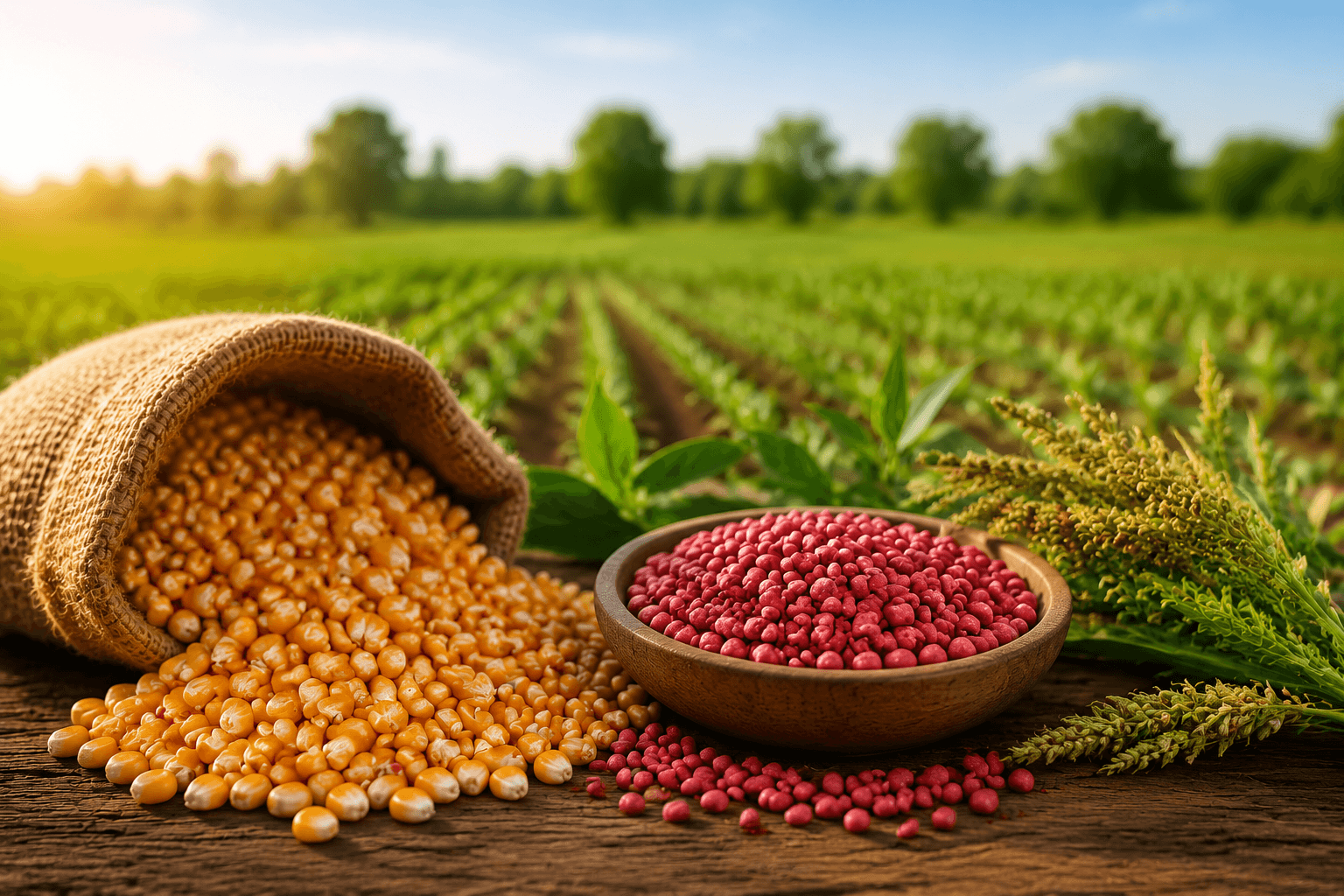
The foundation of every successful crop begins with a decision farmers make before a single seed enters the soil: choosing the right seed variety. For generations, farmers in Pakistan have relied on experience, local knowledge, and traditional seed practices to produce crops. While this experience remains valuable, modern agriculture has introduced new challenges. Farmers today are managing rising input costs, changing weather patterns, limited water availability, and increasing pressure to produce higher yields from the same land. This has increased interest in hybrid seeds, which are developed through controlled breeding methods to combine desirable characteristics from selected parent plants. When chosen correctly and managed properly, hybrid varieties can help farmers achieve better crop uniformity, improved yield potential, and more predictable field performance.
However, selecting a hybrid seed is not simply about choosing the variety with the highest yield claim. A seed that performs well in one region may not provide the same results in another area because crop performance depends on several factors, including soil condition, climate, irrigation availability, crop management, and farming practices. This guide explains the important factors farmers should evaluate before selecting hybrid seeds and how better seed decisions can support more productive and sustainable agriculture farming practices in Pakistan.
Hybrid seeds are produced by crossing two carefully selected parent plants with specific characteristics. Through controlled breeding, researchers combine desirable traits from both parent lines to develop a new variety with improved performance characteristics.
These characteristics may include:
The purpose of hybrid seed development is not simply to create a more productive plant. It is to create a variety that performs consistently when grown under recommended conditions. For example, a hybrid variety may be developed to mature within a specific period, perform better under certain climates, or provide more consistent crop quality for commercial markets. However, hybrid seeds are not a replacement for good farming practices. Even the best genetics require proper land preparation, balanced nutrition, suitable irrigation, and timely crop management.
Agriculture is becoming more competitive every year. Farmers are not only trying to increase production but also improve efficiency and manage risks. Hybrid seeds have gained popularity because they can help farmers achieve more consistent results when combined with proper crop management. One of the biggest advantages is yield potential. Many hybrid varieties are developed to produce higher output compared with traditional varieties when grown under suitable conditions. But yield is not the only reason farmers consider hybrids. A good hybrid variety can also help with more even crop establishment, better harvest planning, improved market quality, efficient use of land and farm resources.
For commercial farmers, uniform crop growth can be especially valuable. When plants mature at a similar time, farmers can better plan harvesting, labour requirements, and post-harvest activities. The benefit of hybrid seeds becomes stronger when they are combined with complete farm planning, including proper nutrition, water management, and suitable agriculture equipment for field operations. A high-quality seed planted in unsuitable soil or managed with poor irrigation practices may still produce disappointing results.
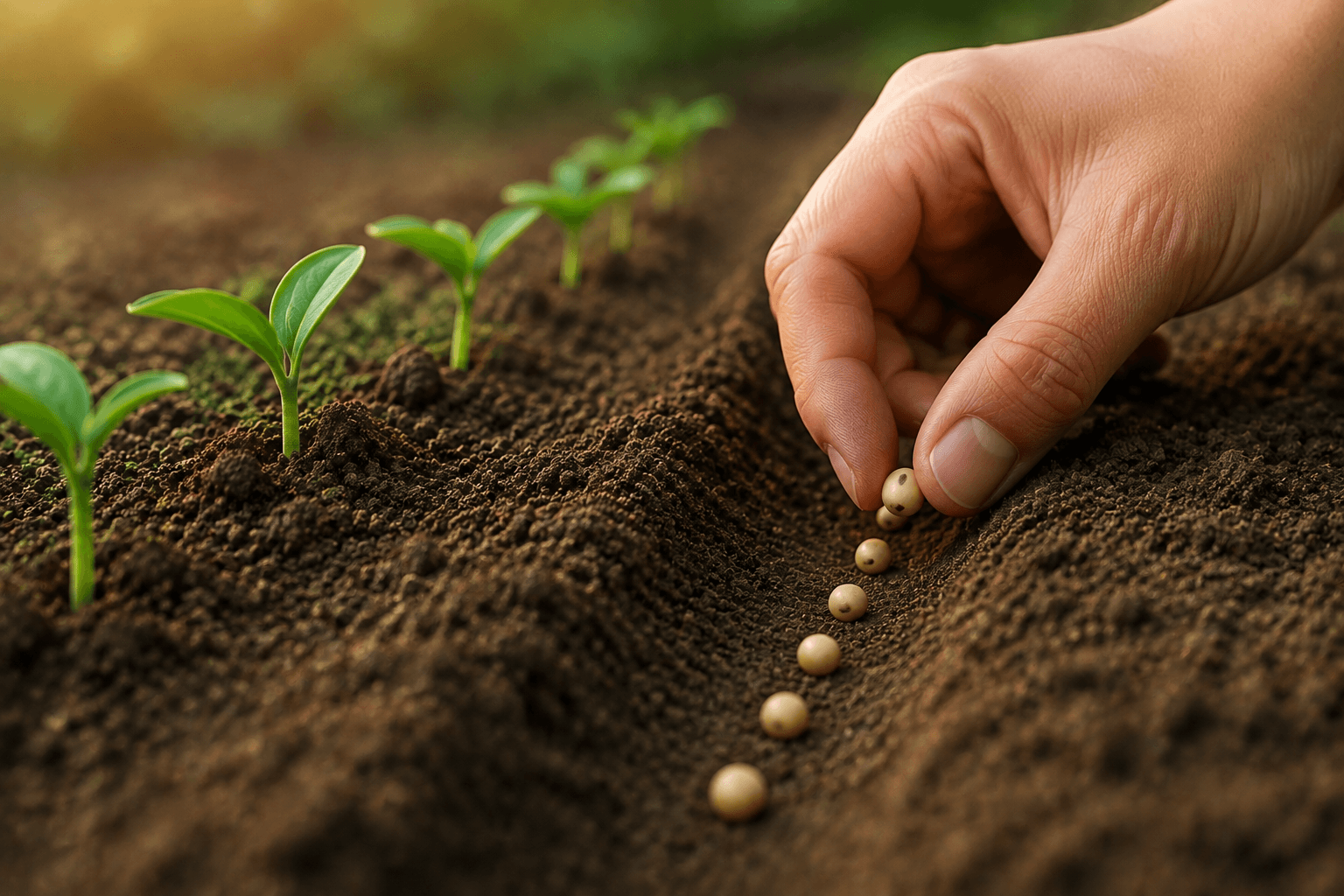
Farmers often compare hybrid seeds with traditional or open-pollinated varieties. Both have a role in agriculture, but they work differently.
| Factor | Hybrid Seeds | Traditional Seeds |
| Development | Created through controlled crossing of selected parent plants | Developed through natural selection and farmer practices |
| Yield potential | Often higher under suitable management conditions | Can perform well but may have lower yield potential |
| Uniformity | Generally provides more consistent crop growth | Greater variation between plants |
| Seed saving | Usually not preferred for the next crop cycle | Farmers can often save and reuse seeds |
| Input response | Often performs better with recommended management | May perform under lower-input conditions |
| Initial cost | Usually higher | Usually lower |
The important point for farmers is that seed selection should be based on farm goals rather than simply choosing the cheapest option. A lower-cost seed may reduce initial expenses, but if it results in lower yield, poor quality, or uneven maturity, the overall farm return may be reduced.
Before purchasing any hybrid seed, farmers should first identify what they want to achieve from the crop. The right seed choice depends on the purpose of production and the expected outcome from the field. For example, a farmer producing maize for grain may focus on factors such as grain yield, maturity period, and market demand. On the other hand, a livestock farmer producing forage may prioritize characteristics like biomass production, regrowth ability, and nutritional value. Similarly, a commercial grower supplying crops to a specific market may focus more on uniform quality, harvest timing, and meeting customer requirements. The same crop can have different seed requirements depending on how the final product will be used and what goals the farmer wants to achieve.
Climate suitability is one of the most important factors when selecting hybrid seeds. Pakistan has diverse agricultural regions, and growing conditions vary significantly between areas. Temperature, rainfall patterns, seasonal changes, and growing periods can directly affect crop performance. A hybrid variety that performs exceptionally well in one location may not produce similar results elsewhere. Farmers should consider:
Selecting a seed adapted to local conditions increases the chances of better crop establishment and stable production.
Seed genetics and soil conditions work together to determine how well a crop performs. Even a high-performing hybrid variety needs the right growing environment to reach its full potential. Problems such as poor drainage, low soil fertility, soil compaction, or nutrient imbalance can limit plant growth and reduce expected yields. Before selecting hybrid seeds, farmers should evaluate important soil factors such as soil type, fertility level, drainage conditions, pH balance, and existing nutrient availability. Understanding these conditions helps farmers choose varieties that are better suited to their fields and avoid investing in seeds that may not perform well under unsuitable conditions.
A soil test can provide valuable information about nutrient levels and help farmers make better decisions regarding fertilizer application instead of relying only on assumptions. Healthy soil supports stronger root development, better nutrient uptake, and improved crop performance throughout the growing season.
Water management is a major factor in crop success. Farmers should not select a seed variety without considering whether their farm has enough water resources to support that crop. Important questions include:
A suitable irrigation system helps ensure that crops receive water when they need it most. For crops that benefit from precise water application, technologies such as drip irrigation can help improve water efficiency by delivering moisture closer to the root zone. Better water management is especially important as farmers face increasing pressure from water shortages and changing weather patterns.
The maturity period of hybrid seeds plays an important role in overall farm planning. A short-duration hybrid can help farmers complete the crop cycle faster and create opportunities to fit another crop into their rotation. On the other hand, a longer-duration variety may be more suitable when the goal is to achieve maximum production within a longer growing window. Before selecting a hybrid seed, farmers should consider factors such as sowing date, expected harvest time, next crop planning, and availability of labour and machinery. These factors help ensure that the crop fits smoothly into the farm’s seasonal schedule.
A seed variety should not be selected as an isolated decision. It should be part of a complete farm plan that considers crop rotation, available resources, and the timing of other farming activities.
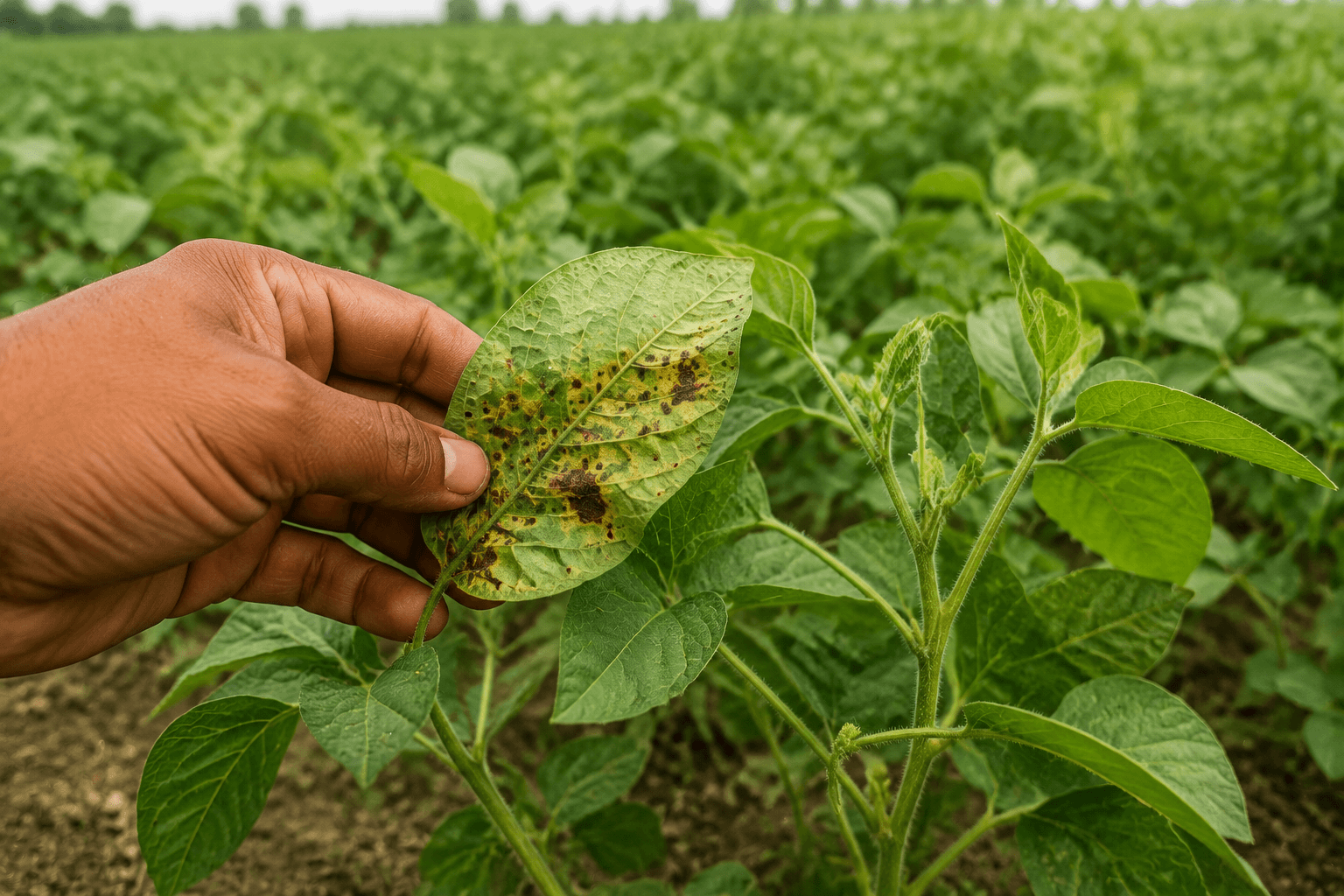
Crop losses caused by diseases and pests can significantly affect farm profitability. While hybrid seeds cannot completely eliminate every farming challenge, selecting varieties with better tolerance against common diseases and local pest pressures can help farmers achieve more stable production. Before selecting a hybrid variety, farmers should understand the challenges commonly faced in their region. A seed that performs well in an area with lower disease pressure may not provide the same results where specific pests or diseases are more common.
Farmers should consider:
However, disease resistance should be considered as one part of crop management, not as a complete solution. Regular field monitoring, proper nutrition, timely irrigation, and balanced crop protection practices remain important for achieving better results.
The price of hybrid seeds is an important consideration, but it should not be the only factor when making a farming decision. A lower seed cost does not always mean better profitability. Farmers should evaluate the overall value a seed variety can provide throughout the crop cycle.
A hybrid seed with a higher initial cost may deliver better returns if it provides improved yield, better crop quality, more uniform growth, or greater production efficiency under suitable farming conditions.
Before selecting a hybrid variety, farmers should evaluate factors such as:
The right question is not simply:
“Which seed costs less?”
A better approach is to ask:
“Which seed can provide the best return from my land, resources, and farming conditions?”
By comparing the complete cost and expected benefits, farmers can make more informed seed selection decisions and avoid focusing only on the initial purchase price.
Modern agriculture is moving beyond traditional approaches where production depended mainly on land availability and seasonal conditions. Today, farmers are combining improved seeds with better planning, technology, and efficient resource management.
Hybrid seeds are one part of this wider agricultural system.
When combined with:
Farmers can improve efficiency across the complete production cycle. For example, selecting a high-performing hybrid variety is only the first step. Timely land preparation, accurate planting, efficient irrigation, and proper harvesting methods all influence the final result. Modern farming is not about using one technology alone. It is about creating a complete system where seeds, machinery, water management, and farm decisions support each other.
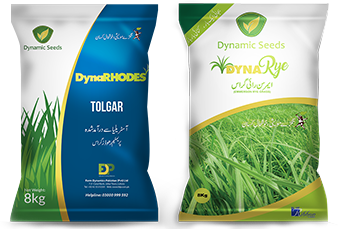
While hybrid seeds are commonly discussed for grain and commercial crops, quality seed selection is equally important for farmers involved in livestock production and forage management. Farm Dynamics Pakistan, through its seed division Dynamic Seeds, provides high-quality imported fodder seeds designed to support better forage production for livestock-focused farmers. Dynamic Seeds offers Rhodes Grass and Rye Grass.
These fodder varieties are selected to support productive forage systems with benefits such as high yield, uniform maturity, fine leaf and stem quality, quick germination, and strong growth performance. For farmers involved in livestock operations, choosing suitable fodder varieties can improve feed availability and support better farm management. Quality forage production plays an important role in operations such as cattle farming in Pakistan, where consistent and nutritious feed availability directly affects livestock productivity.
Before purchasing hybrid seeds, farmers should review the following:
✓ Is this variety suitable for my crop purpose?
✓ Does it match my local climate and soil conditions?
✓ Do I have enough water availability for this crop?
✓ Is the maturity period suitable for my crop rotation?
✓ Is the seed coming from a reliable supplier?
✓ Are management requirements suitable for my farming resources?
✓ Does the expected return justify the seed investment?
Taking time to answer these questions can help farmers avoid costly mistakes and select varieties that match their actual farming conditions.
Hybrid seeds can play an important role in improving agricultural productivity, but successful farming depends on more than seed selection alone. The best results come when farmers choose varieties according to their land, climate, water availability, production goals, and management capacity. A high-quality seed provides the foundation, but proper soil preparation, irrigation, crop care, and timely farm operations determine how much of that potential is achieved. As farming continues to become more technology-driven, better seed decisions combined with modern practices can help farmers improve efficiency, reduce risks, and build more productive agricultural systems.
Farm Dynamics Pakistan supports farmers with practical knowledge, modern agricultural solutions, and quality seed options to help improve farming outcomes across Pakistan.
Hybrid seeds are developed by crossing selected parent plants to combine desirable characteristics such as better yield potential, uniform growth, and improved crop performance. Farmers use them to achieve more consistent results when managed properly.
Hybrid seeds can offer advantages such as higher yield potential and better uniformity, but their performance depends on factors like soil, climate, irrigation, and crop management.
Farmers should consider their crop purpose, local climate, soil conditions, water availability, maturity period, disease risks, and expected economic returns before selecting a hybrid variety.
Yes. Hybrid seeds often perform best when combined with proper land preparation, balanced nutrition, timely irrigation, and effective crop management practices.
Farm Dynamics Pakistan’s seed division, Dynamic Seeds, provides imported fodder seeds including Rhodes grass and Rye grass for farmers looking to improve forage production.