7-J1, Main Canal Bank, Johar Town, Lahore.
  Info@farmdynamics.pk
7-J1, Main Canal Bank, Johar Town, Lahore. Info@farmdynamics.pk


 June 17, 2026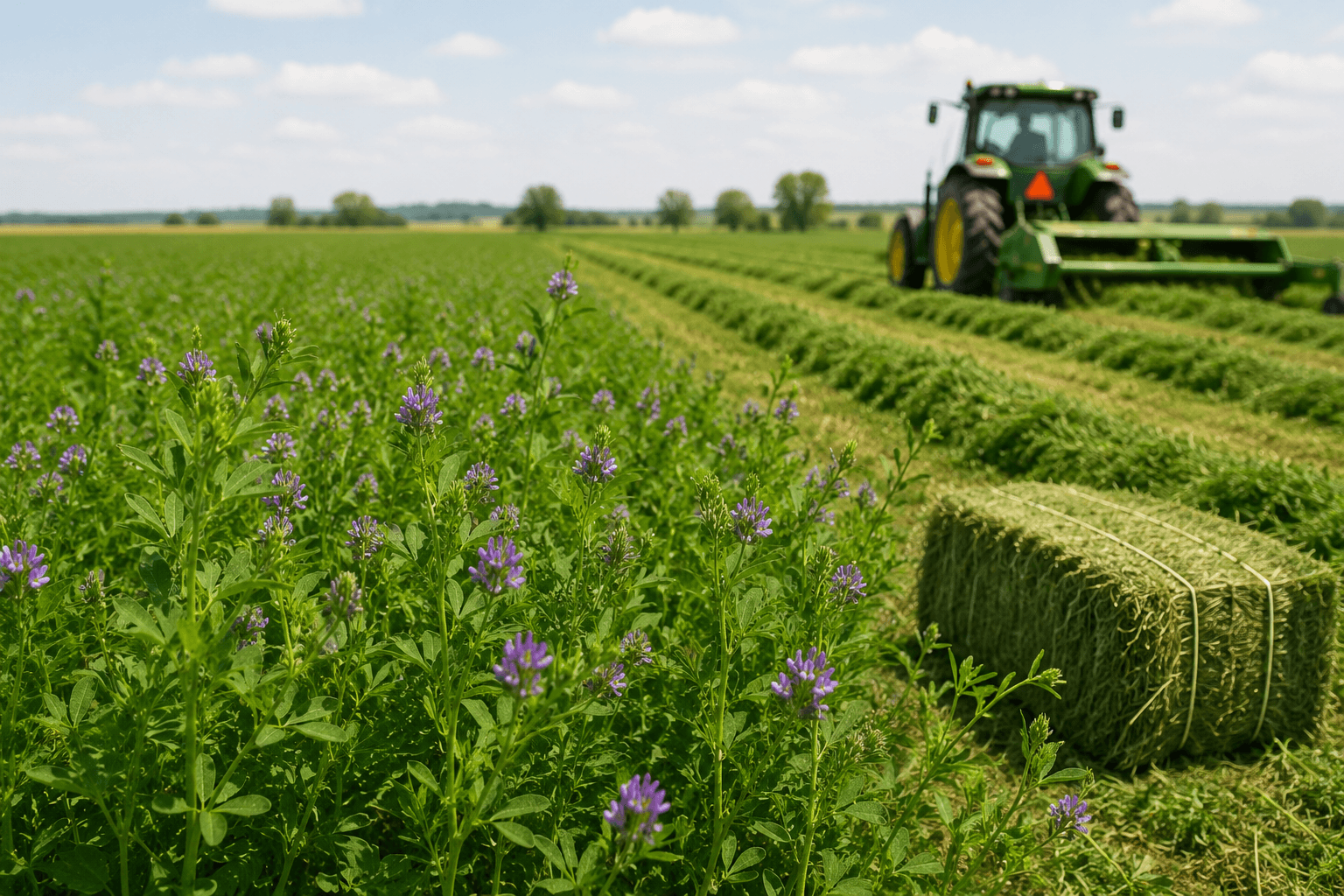
Alfalfa is one of the best fodder crops for livestock. Farmers grow it because it gives several harvests in a year and provides nutritious feed for animals. It is also used to make alfalfa hay, which is popular among dairy and livestock farmers. In Pakistan, more farmers are showing interest in alfalfa seeds because they want better feed for their animals and higher farm profits. With the right farming practices, alfalfa can continue producing good fodder for years. Farm Dynamics Pakistan offers useful farming information that helps growers learn about modern crop management and better farming methods.
Alfalfa is a popular fodder crop because it is packed with protein and other nutrients that animals need. It is commonly fed to cows, buffaloes, goats, and sheep. Animals that eat alfalfa often stay healthier and can produce more milk, which is why many dairy farmers choose it as part of their feeding program. Farmers often compare alfalfa with Berseem seeds and road grass when deciding which fodder crop to grow. While these crops also provide good feed, alfalfa has a few advantages. It can withstand dry weather better, develops strong roots deep in the soil, and continues producing fodder for a longer time.
Another reason farmers like alfalfa is that it can be harvested several times from a single planting. This means they can get more fodder from the same field without planting a new crop every season. As a result, farmers can save money and make better use of their land.
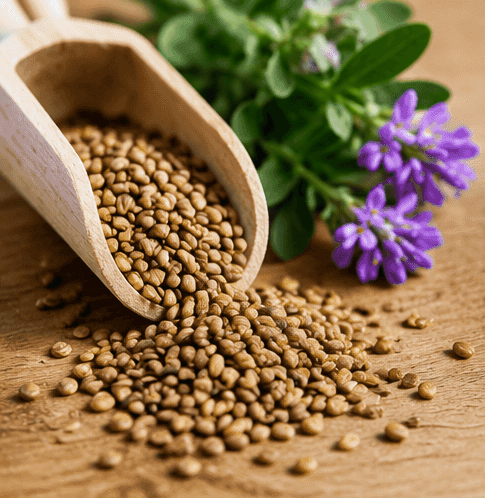
Good soil is important for healthy alfalfa growth. The crop grows best in well-drained soil where water does not stay for long periods. If water stands in the field, roots can become weak, and diseases may develop. Before planting, farmers should remove weeds and prepare a smooth seedbed. Mixing organic manure into the soil can improve fertility and support strong plant growth.
Many successful farmers also test their soil before sowing. This helps them understand what nutrients their fields may need. Farm Dynamics Pakistan regularly shares practical tips that help farmers improve soil health and crop performance.
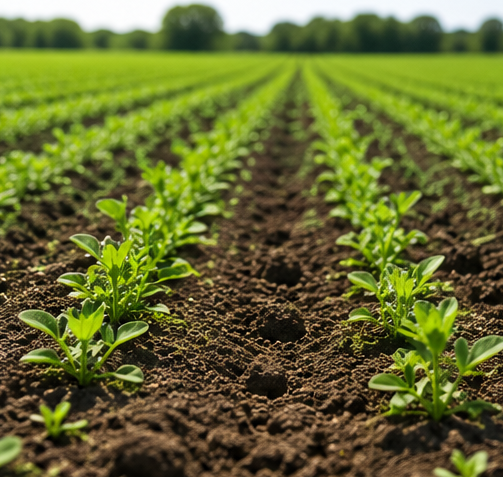
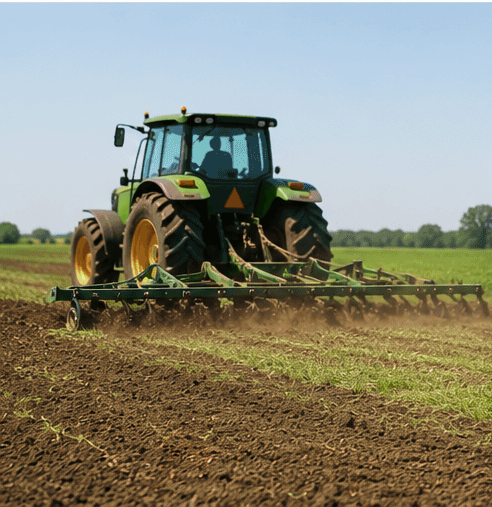
A good crop starts with good land preparation. Before planting, farmers should plough the field properly to loosen the soil and remove weeds. The land should then be leveled so water spreads evenly during irrigation. Soft, loose soil helps alfalfa seeds sprout more easily and grow well from the start. It is important to use healthy and high-quality seeds. Better seeds usually give better germination and a stronger crop. Farmers can sow the seeds by hand or use a seed drill if they have farming equipment available.
Many farmers use John Deere tractors to prepare their fields. These tractors help complete the work faster and make land preparation easier, especially on large farms. Alfalfa is usually planted when the weather is mild and there is enough moisture in the soil. Planting at the right time helps the seeds grow quickly and gives the crop a healthy start.
Alfalfa can survive dry conditions better than many other fodder crops, but it still needs water for good growth. The first irrigation is usually given right after sowing. After that, watering depends on the weather and soil conditions. During hot months, fields may need water more often. During cooler weather, irrigation can be less frequent. Too much water can be a problem. Overwatering may damage roots and slow down plant growth. The goal is to keep the soil moist without flooding. Many growers improve their results by following simple irrigation schedules and field management practices shared by Farm Dynamics Pakistan.
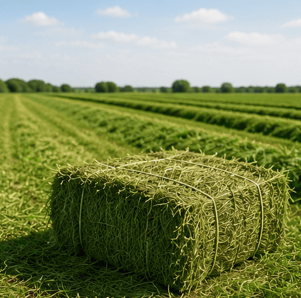
Harvesting at the right stage is important. Cutting too early can reduce yield, while cutting too late can lower feed quality. The first harvest is usually taken about 50 to 60 days after planting. After that, farmers can often harvest every few weeks, depending on growing conditions. Many farmers prefer cutting the crop when the first flowers begin to appear. At this stage, the crop has a good balance of nutrition and yield.
The harvested crop is often dried and turned into alfalfa hay. Demand for alfalfa hay is increasing as more livestock farmers look for quality feed. Interest in alfalfa hay price in Pakistan has also grown because of its value in dairy farming.
Alfalfa is more than just a fodder crop. It helps farmers produce quality feed, supports healthier animals, and provides multiple harvests from a single planting. Compared to many other fodder options, it can offer better long-term value. Farmers who manage their soil, irrigation, and harvesting properly often see strong results year after year.
As demand for livestock feed continues to grow, alfalfa remains a smart choice for many farms. For more farming tips, crop guides, and practical agricultural knowledge, contact us. Farmers can find useful information through Farm Dynamics Pakistan to help improve productivity and make better farming decisions.
Alfalfa is usually ready for its first harvest about 50 to 60 days after sowing, depending on weather and growing conditions.
Alfalfa grows best in well-drained sandy loam or loamy soil with good fertility and a pH level between 6.5 and 7.5.
Irrigation needs vary by season and soil type, but farmers generally water alfalfa every 7 to 12 days to maintain healthy growth.
Both crops are valuable, but alfalfa usually produces fodder for a longer period and offers multiple harvests from one planting.
Alfalfa hay is rich in protein and nutrients, making it an excellent feed choice for dairy animals and other livestock.